
How to Check for a Warrant in Marion County
Begin where the case actually lives. Marion County posts no public Sheriff warrant-search form, so a full warrant check means pairing the matter with its court. The South Carolina Public Index is a case-record tool, and the state traffic search covers participating ticket records. Neither clears you countywide. Search with your own details: the name on the citation, the court, the approximate date, and the case or citation number. Use the official South Carolina Public Index first, then the state ticket search for traffic. If a missed date or a possible warrant is in play, contact the issuing office directly.
- Use the court or ticket notice to identify the county, city, and court.
- Check Public Index for the case record, knowing some records and city courts are not listed.
- For a ticket, search by citation, driver's license and state, or name and date of birth.
- Call the named municipal court or Marion Magistrates Office when the record points there.
- Ask the Sheriff about service or routing, and ask the court about recall, bond, or appearance steps.
Why Marion County Has No Sheriff Warrant Search
The official Marion County Sheriff's Office page covers law enforcement, detention, court security, and civil service. What it lacks is a warrant tool: no public roster, no name search, no status filter, and no warrant phone line. The Civil Process and Warrants link in its navigation leads to a broken address, and the Sheriff posts no active list or update schedule. The county government site works better as a directory. It gathers the Sheriff, Clerk, Magistrates Office, Detention Center, traffic payments, and Freedom of Information Act information in one place, so use it to find which Marion County office to call rather than to search warrants. View the Marion County government office directory.
Call the court that issued the process. A Marion County Sheriff page with no public list does not mean no warrant exists.
Types of Warrants in Marion County
A warrant's title and issuing court tell you more than any broad search term. Marion County cases move through several courts. South Carolina's official materials speak of arrest warrants, bench warrants, and summonses. Marion County paperwork does not use the word capias, so don't chase that label here.
| Process | How it may arise | Likely court layer |
|---|---|---|
| Arrest warrant | Probable-cause process in a criminal matter | Magistrate or Circuit / General Sessions, depending on case |
| Bench warrant | Failure to appear or comply with a court requirement | Issuing Magistrate, Municipal, or Circuit court |
| Summons | Notice to appear instead of immediate arrest process | Summary or municipal court |
| Search warrant | Judicial permission to search under state law | Authorized issuing court; not a person roster |
Three Court Layers Shape Marion County Warrant Records
Marion County justice runs on three layers, and each layer keeps its own warrant records. The 12th Judicial Circuit covers Marion and Horry counties, and its Circuit Court handles the serious criminal work through General Sessions. Below that sits Magistrate Court. It takes summary criminal and traffic matters and can issue qualifying arrest or search warrants. Marion, Mullins, Nichols, and Sellers each run a separate municipal court for city ordinance and traffic cases, so a town ticket lives in that town's file. The Judicial Branch Marion County directory lists contacts for the Circuit, Magistrate, and municipal courts. One gap worth knowing: the current municipal Public Index help list skips the four local city courts. A Marion County warrant search that comes up empty at the county level may still need a call to that city's clerk about a municipal warrant.
What a Marion County Warrant Record Shows
Marion County publishes no sample warrant record showing its exact labels or number formats. The state court's SCCA413 and SCCA413A forms still give a useful form-level outline of what a warrant record can hold. Treat those fields as possible elements. A public copy may omit fields or be restricted, so it is not a promise about every file.
| Form reference | SCCA413 / SCCA413A, state form identifiers, not a Marion warrant number |
|---|---|
| Court and case | Issuing court, county, division, case or warrant identifier where assigned |
| Reason | Charge or missed appearance information, depending on the process |
| Issuance | Date and authorized judge or magistrate signature |
| Bond and return | Release terms and service/return fields when recorded and public |
| Status | Ask the issuing court; Marion's public status codes are not published |
Why 941 Is Not a Countywide Warrant Count
One state reporting package offers a narrow workload measure, not a warrant list. It counts Marion County General Sessions pending warrants at 941 on January 1, 2026, 776 on July 1, 2025, and 734 on July 1, 2024. That is an aggregate reporting category for one court. It is not a live Sheriff roster and not a total across all local courts.
The figures leave out Magistrate, municipal, traffic, Family Court, juvenile, sealed, federal, served, and recalled matters, so they cannot confirm any individual's status in Marion County. The state report is context only.
Who Issues and Serves Marion County Warrants
A judge or magistrate issues the warrant and controls the case terms. The Clerk of Court keeps the filings and handles permitted copies. The Sheriff, or another law-enforcement agency, serves the process. Detention staff can answer custody and bond-routing questions in Marion County, but they cannot replace the issuing court on recall or case status.
Marion County Sheriff's Office
1811 N 501 Bypass
Marion, SC 29571
(843) 423-8216, Option 2
Call ahead in Marion County before bringing a warrant question to a counter. The public pages promise no same-day warrant check, no walk-in window, and no no-arrest surrender arrangement.
The Sheriff and the Issuing Court Do Different Jobs
One office may know about service while another controls the case. That split matters in Marion County, since warrant records sit across Circuit, Magistrate, and four municipal courts.
| Office | What it can address | What to ask |
|---|---|---|
| Issuing court | Current case, appearance, bond, recall or quash process | Which step is allowed and how it will be recorded |
| Clerk | Filed General Sessions records and copies | Whether a specific public document can be copied |
| Sheriff | Service, custody, and agency routing | Which agency or court handles the inquiry |
| Detention Center | Custody and bond routing | Current instructions, not a universal warrant clearance |
What to Do If You Have a Marion County Warrant
Confirm the case first. Call an official office in Marion County and write down the court, the case number, and why the warrant issued. Ask if it is an arrest warrant, bench warrant, or a traffic failure to appear. Then ask what the court permits: an appearance, bond, payment, or an attorney-filed motion.
Before appearing: Marion County publishes no universal no-arrest walk-in policy. Speak with a South Carolina attorney about the issuing court's process and the risk of surrender or booking.
Miss a required appearance or a bond in a criminal matter and a bench warrant can follow, the Magistrates Office warns. For the traffic-court bonds it describes, its page accepts money order, cashier's check, or bank-certified check made payable to Marion County Central Traffic Court. Do not mail cash or a personal check. That instruction covers those bonds only, not a general rule.
A Traffic Payment Does Not Prove Recall
Marion County splits its traffic cases two ways. County summary court handles one route, while city tickets stay with the cities. If your case is eligible, find the red case number at the bottom of the paper. Enter every letter and number, with no spaces. Some filings take one to two weeks to reach the locator, and online payments take two to three business days to process. Paying is not the end of it. Ask the court whether the failure-to-appear event and any warrant were each cleared on their own, and whether license information went to your home-state motor-vehicle agency. A receipt alone is not a warrant recall. Read Marion County traffic payment instructions. City citations belong to Marion, Mullins, Nichols, or Sellers Municipal Court instead.
Public Access to Marion County Warrant Records
South Carolina's Freedom of Information Act covers inspection and copies of existing public records. Exemptions apply, and courts add their own limits. In Marion County, a case line can show up even when the document itself is sealed, and juvenile records carry added protection.
Access rules:
S.C. Code Title 30, Chapter 4 sets public-record access, fees, deposits, and exemptions.
Title 63, Chapter 19 protects juvenile court and identifying information.
Judicial Branch Rule 10 guidance explains limits on public electronic court access.
S.C. Code Title 22, Chapter 5 covers summary-court warrant and summons procedures.
Ask for Records, Not a New Warrant Answer
A Marion County FOIA request works best when it names an existing record, the office that holds it, and the case details you know. The county form lets you choose delivery by inspection, mail, pickup, fax, email, or another stated option. Inspection gets limited when redaction is required. Expect a possible advance deposit, plus charges for search time or copies. The Clerk posts an $8 fee per document. It also lists accepted payment forms and asks for a stamped return envelope. A records clerk cannot certify that no warrant exists. That call belongs to the court. The county FOIA instructions describe the current request route.
Warrant Records by City in Marion County
Marion County has four incorporated municipalities. Each has its own city court. That court handles the city's ordinance and traffic matters. Take a city citation there before trying a county payment locator or a broader warrant search. The Census incorporated-place table records the four communities and their population ranking.
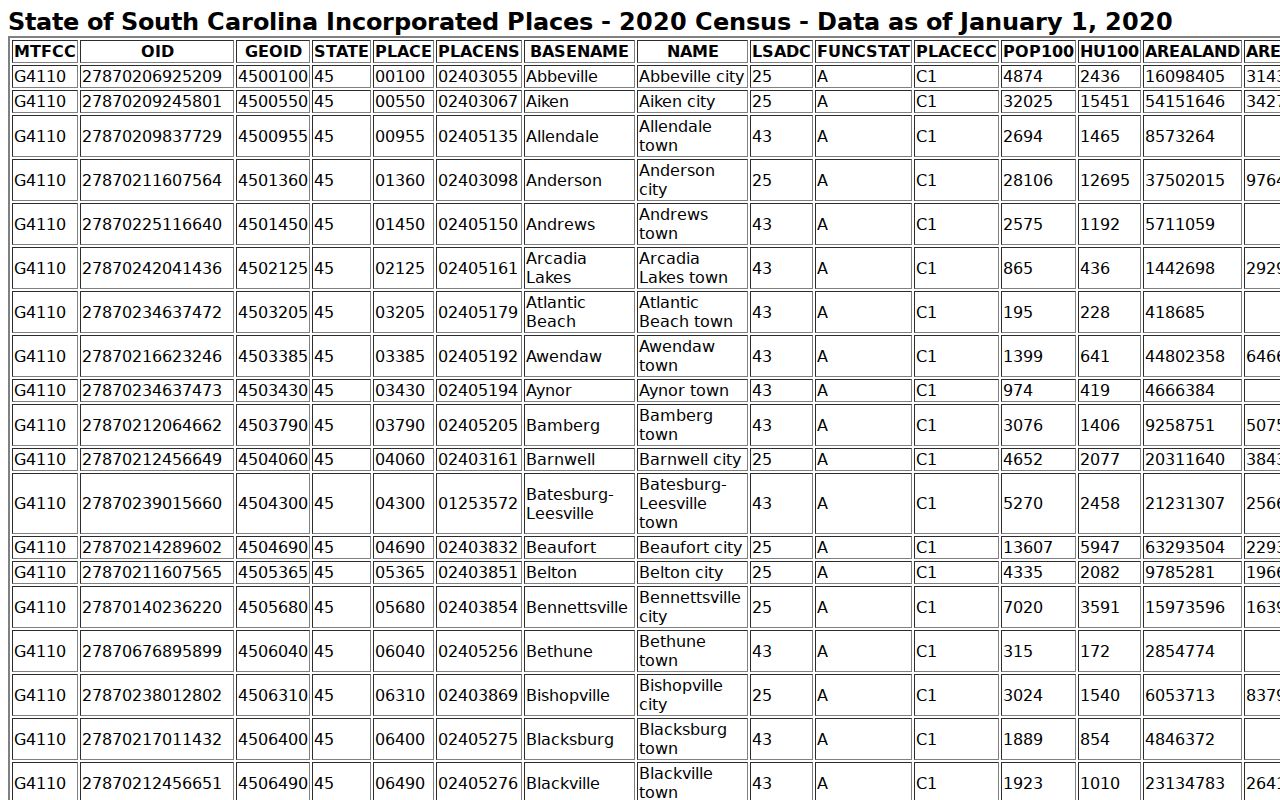
The city figures identify places, not warrant volume or status.
Marion Warrant Records
Population 6,448; City Police and Marion Municipal Court handle separate roles.
Mullins Warrant Records
Population 4,026; contact the city court for a Mullins citation or missed date.
Nichols Warrant Records
Population 234; confirm court and police contacts separately.
Sellers Warrant Records
Population 147; call the court before visiting because official directories differ on address format.
What a Marion County City Court Can Confirm
Marion County's online-payment page leaves out Marion, Mullins, Nichols, and Sellers Municipal Courts. The statewide municipal help list skips those four too. So a municipal case can be missing from the county locator or Public Index even while the city court still has the file. Go to the named court. Ask about the case and the missed appearance. Ask too about payment and any recall procedure. That court, not a county search page, gives the official answer on a municipal warrant. The full county court map and records routes are in the Marion County warrant records overview.